June 2, 2026
What to Do When Your Kid Says 'I'm Bored' (Again and Again)
Is your kid always bored? Discover proven strategies to handle 'I'm bored' complaints and turn frustration into creative play. Transform those whiny moments today.
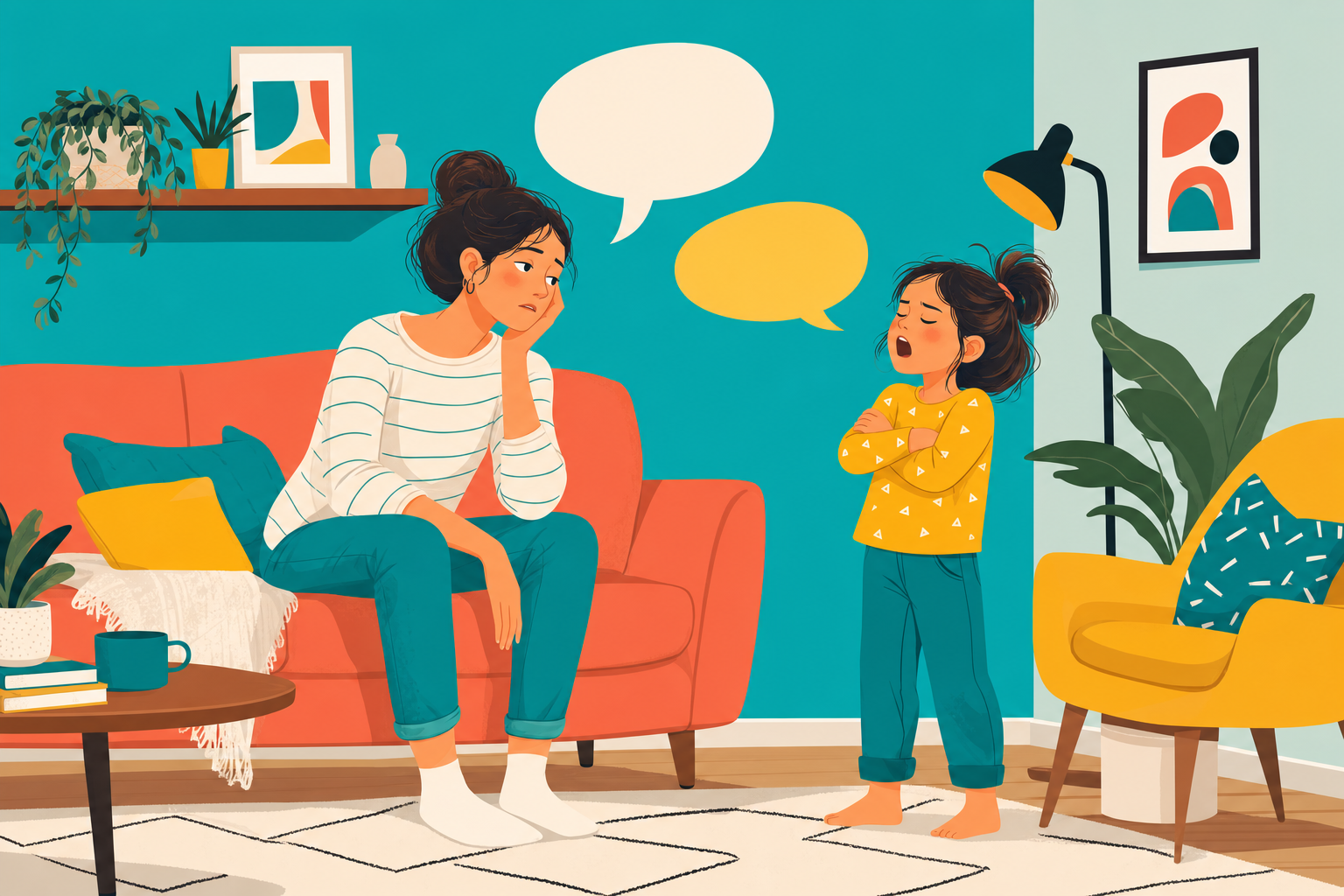
What to Do When Your Kid Says "I'm Bored" for the Tenth Time
It's 3:47 PM and your kid has announced they're bored. Again. You've already suggested blocks, the backyard, their favorite puzzle, and that craft kit from Grandma. Nothing sounds good. They're whining, you're losing patience, and dinner is still an hour away.
When a kid always says "I'm bored," the real issue usually isn't a lack of things to do. It's decision fatigue, overstimulation from earlier in the day, or just plain transition struggle. Here's how to handle "I'm bored" kids without losing your mind or handing over a screen every single time.
Stop Offering Suggestions (Seriously)
Your first instinct is to rattle off ten activity ideas. Don't. When kids say "I'm bored," they often want connection more than entertainment. They're testing whether you'll engage, not asking for a Pinterest-worthy craft.
Instead, try: "I hear you. Being bored is tough. What do you think you could try?" Then stay quiet. Let them sit with the feeling for 30 seconds. Most kids will wander off and find something once you stop performing the mental labor for them.
If they genuinely can't think of anything, offer two concrete choices instead of an open-ended list. "You can build with Legos in your room or help me fold laundry" works better than "there's so much to do!"
Create a Bored Jar (But Make It Specific)
A bored jar can backfire if it's full of vague ideas like "play outside" or "be creative." Kids want specificity when they're stuck.
Fill a jar with 20 to 30 activity slips that are immediately doable with zero prep. Write each one as a complete instruction:
- Build a blanket fort in the living room
- Draw a map of an imaginary island
- Make a tower using only books
- Hide ten toys and create a treasure hunt for yourself
- Do 20 jumping jacks, then 10 cartwheels
- Teach the dog a new trick
- Make a restaurant menu for pretend pizza
When they pull a slip, they do that activity for at least 10 minutes. No negotiations, no swaps. The rule is simple: pick one, try it, no complaining for ten minutes. Most kids get absorbed once they actually start.
If you need a digital version of this concept, our free tool at Boredom Wheel spins up an instant activity idea when you're too fried to think of one yourself.
Recognize the Pattern (and Break It)
Kids who say "I'm bored" constantly often have a predictable trigger. It's usually right after screen time ends, between structured activities, or during that brutal window before dinner when everyone's hungry and patience is gone.
Track when the complaints happen for three days. Write down the time and what just happened before the whining started. You'll likely see a pattern.
Once you know the trigger, you can head it off. If boredom hits every day at 4 PM, plan a 10-minute reset activity that's the same every single day: a snack and a coloring page, a quick walk around the block, or five minutes of silly dance music. Predictable rituals calm the "what do I do now" panic that often sounds like boredom. For more on managing that rough pre-dinner hour, check out these 5-minute boredom busters for kids' witching hour meltdowns.
Give Them a Job (Not Busy Work)
Bored kids often perk up when given a real task with a real purpose. Not a patronizing "help Mommy" task, but something that matters.
Try:
- "I need someone to reorganize the snack drawer by type. Can you handle that?"
- "The dog's water bowl is empty. Can you refill it and check the food?"
- "I'm making a grocery list. Walk around the kitchen and tell me three things we're running low on."
- "We need to move these books to the shelf in your room. How many trips do you think it'll take?"
Kids want to feel useful. A five-minute job often shifts their mood enough that they wander off to play afterward without another "I'm bored" complaint.
Teach Them to Sit with Boredom (in Small Doses)
Handling boredom in children isn't just about filling time. It's about building tolerance for unstructured moments. Kids who never experience boredom never learn to self-direct.
When they say "I'm bored," sometimes the best response is: "Yeah, boredom happens. You'll figure something out." Then go back to what you were doing. It feels harsh, but it's not. You're teaching them that boredom is a normal feeling they can handle, not an emergency you need to solve.
Start small. Let them be bored for five minutes without jumping in. If they escalate to whining or pestering, calmly repeat: "I know you're bored. I trust you to find something to do." Most kids will resist at first, but they'll eventually discover that staring at the wall gets old and building a city out of couch cushions is more interesting.
For kids who struggle with unstructured time across the board, a simple visual routine can help them know what comes next without asking you every ten minutes. Our post on morning routines for kids that actually stick has a similar framework that works for after-school hours too.
When "I'm Bored" Really Means Something Else
Sometimes "I'm bored" is code for:
- "I'm hungry and cranky"
- "I'm overstimulated and need to zone out"
- "I want your attention"
- "I'm tired but won't admit it"
If your kid says "I'm bored" every single day at the same time, try addressing the hidden need instead. Offer a snack, suggest a quiet activity like looking at books, or say "I have five minutes right now. Want to sit with me?" Sometimes ten minutes of your undivided attention, even if you're just sitting together, resets the whole afternoon.
For the overstimulated kid, a free Chunky Crayon page buys you ten quiet minutes of focused coloring time. It's not exciting, and that's the point. It's a calm-down activity that doesn't require instructions.
Keep a Running List of "Things You Forgot You Liked"
Kids have short memories. The toy they loved last month is now invisible. The game they begged for is buried under stuffed animals.
Keep a running note on your phone of activities your child has actually enjoyed in the past three months. When they say "I'm bored," pull up the list and read three options. Don't let them debate all of them. Just pick three, read them out loud, and say "choose one."
Update the list every few weeks. Kids' interests shift fast, and what worked in September might not work in November. But having a personalized menu of proven winners saves you from suggesting things that were never going to work anyway.
The Bottom Line
When "I'm bored" becomes a daily refrain, you're not failing as a parent. You're dealing with a kid who hasn't yet learned how to navigate downtime. Your job isn't to entertain them every minute. It's to teach them that boredom is temporary, solvable, and not actually the end of the world.
Set boundaries, offer structure when needed, and let them struggle just enough to figure it out themselves. They'll surprise you with what they come up with when you stop doing all the thinking for them.