May 18, 2026
What to Do When Kids Say 'I'm Bored' Every 5 Minutes
Discover 50+ quick, no-prep activities to stop the boredom cycle. Screen-free ideas for 3-6 year olds that build independence and spark creativity at home.
What to Do When Your 3- to 6-Year-Old Is Bored at Home (and Won't Stop Saying It)
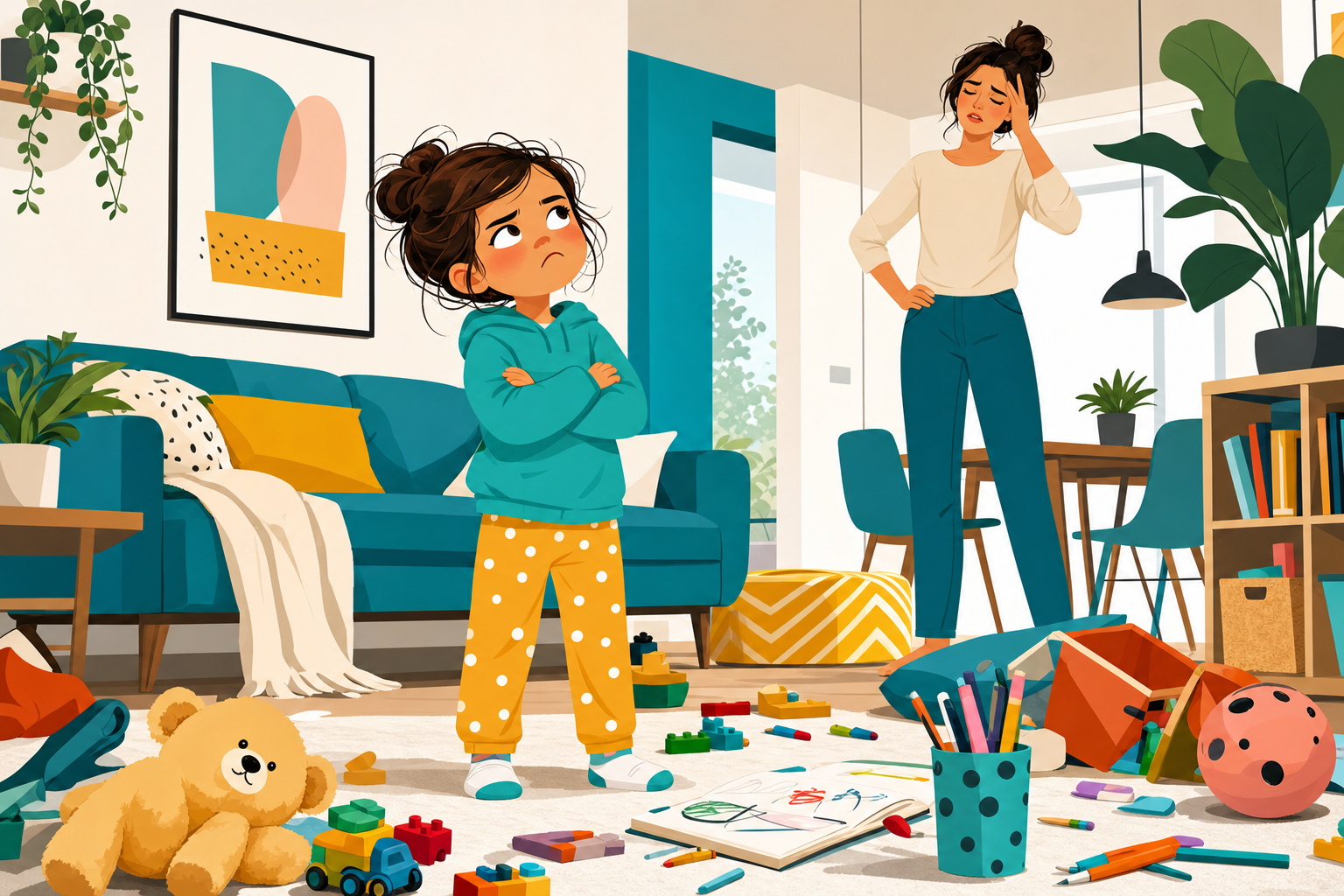
Your kid just told you they're bored. Again. For the seventh time in twenty minutes. You've already suggested toys, the backyard, their room full of stuff, and now you're out of ideas and patience is wearing thin.
Here's the truth: when a 3- to 6-year-old says "I'm bored," they're not asking for entertainment. They're signaling they need a reset, a nudge, or just one concrete idea to get unstuck. You don't need elaborate activities or a Pinterest-worthy setup. You need a menu of quick no-prep activities for bored kids that you can deploy in under sixty seconds.
This post gives you that menu, plus a framework for handling the boredom loop without losing your mind.
Why Kids This Age Say "I'm Bored" Every Five Minutes
Young kids have short attention spans and limited executive function. They can't always generate their own ideas or transition between activities smoothly. When they hit a wall, they come to you.
Sometimes "I'm bored" means "I don't know what to do." Sometimes it means "I want your attention." And sometimes it just means they need you to kickstart the next thing so they can take it from there.
Your job isn't to fix boredom forever. It's to offer one option that breaks the stall.
What to Do When Kids Say "I'm Bored": The Three-Option Rule
When your child whines about being bored, resist the urge to solve it for them or lecture about gratitude. Instead, offer three specific choices. Keep them screen-free and concrete.
Here's the script:
"You can build a fort with the couch cushions, sort your stuffed animals by size, or help me make snack plates in the kitchen. Pick one."
This works because:
- It gives them autonomy without overwhelming them
- It moves them from complaining to deciding
- It takes the problem-solving pressure off you
If they reject all three, say "Okay, I'll pick for you," and hand them a task. Most kids will suddenly have an opinion.
Screen-Free Boredom Busters You Can Set Up in Under a Minute
These are not crafts. They're not projects. They're quick pivots you can suggest or set up while you're unloading the dishwasher.
Sensory and movement ideas:
- Fill a bin with dried beans or rice and hide small toys inside
- Tape a line on the floor and have them walk it like a balance beam
- Turn on music and call out animals for them to move like
- Give them a wet sponge and a bucket to "paint" the fence or driveway
Loose parts and open-ended play:
- Dump out a basket of blocks, cars, or figures with no instructions
- Hand them a cardboard box and a roll of tape
- Set up their toys in a new location (toy kitchen in the hallway, stuffed animals in the bathroom)
- Give them a flashlight and tell them to find ten red things in the house
Quiet solo activities:
- Playdough at the table (store-bought is fine)
- A printable coloring page (a free Chunky Crayon page buys you ten quiet minutes)
- A pile of books and a cozy corner
- Stickers and blank paper
For more ideas you can pull from when the well runs dry, check out our full list of 50 no-prep rainy day activities for kids.
How to Entertain Kids Indoors Without Screens: Teach Independent Play in Small Doses
Independent play ideas for young kids don't mean leaving them alone for an hour. At this age, independence looks like 10 to 20 minutes of solo focus while you're nearby.
Here's how to build that muscle:
Start with parallel play. Sit near them while they play. You can fold laundry, answer emails, or just be present. Your proximity helps them settle.
Narrate less, observe more. Resist the urge to direct their play or ask questions. Let them lead. If they seem stuck, offer one low-key prompt: "I wonder what happens if the dinosaur climbs the tower."
Set a timer. Tell them you need ten minutes to finish something, and they need to play until the timer goes off. Then you'll check in. This gives them a boundary and you a break.
Rotate toys weekly. Box up half their toys and swap them out every week or two. Familiar toys feel new again, and less clutter makes it easier to focus.
If your child struggles with transitions and needs structure to stay on track, a visual routine chart can help them move through the day without constant reminders. Our guide to creating a morning routine chart for kids walks through the same approach.
What Can Kids Do When They Are Bored: Keep a Boredom Menu Visible
Print or write a simple list of activities for bored 3 year olds (and up) and hang it at their eye level. Use pictures for pre-readers.
When they say they're bored, point to the menu and say, "Pick one."
Your menu might include:
- Build with blocks
- Color or draw
- Dress up
- Play with cars
- Read books
- Dance party
- Help with a chore
- Play outside
Update it every few weeks to keep it fresh. Let them help choose what goes on the list.
This teaches them that boredom is solvable and that they have tools to fix it themselves.
When Nothing Works: The Reset Button
Some days, your kid is bored because they're overstimulated, hungry, or just out of sorts. No activity will land.
When you've tried three things and they're still whining, hit the reset button:
- Offer a snack and water
- Go outside for five minutes, even if it's just the front step
- Put on a song and dance together
- Sit down and read one book together
Sometimes what looks like boredom is actually a need for connection or a sensory break. A five-minute reset with you can reboot their whole afternoon.
If you're stuck at home on a rainy day and running out of steam, you're not alone. We've all been there. Grab a quick win from our guide on screen-free car activities for toddlers (most of them work indoors, too).
The Big Picture: Boredom Is Not an Emergency
Your kid will survive being bored. In fact, boredom is where creativity starts. Your role is not to eliminate it but to help them move through it without spiraling into a meltdown.
Give them a few options. Set them up with something tactile. Check in after ten minutes. That's it.
You don't need to be a cruise director. You just need to be the person who says, "Try this," and then lets them take it from there.
When you're bored at home with kids and the walls are closing in, remember: you're not failing. You're parenting a small human with a developing brain who hasn't yet learned how to entertain themselves. You're teaching them that skill one "I'm bored" at a time.
And when all else fails, there's always the spin wheel.