May 27, 2026
Why Boredom Is Actually Good for Kids (And How to Lean In)
Discover the surprising benefits of boredom for children and learn practical ways to let kids be bored. Science-backed tips for raising creative, resilient kids.
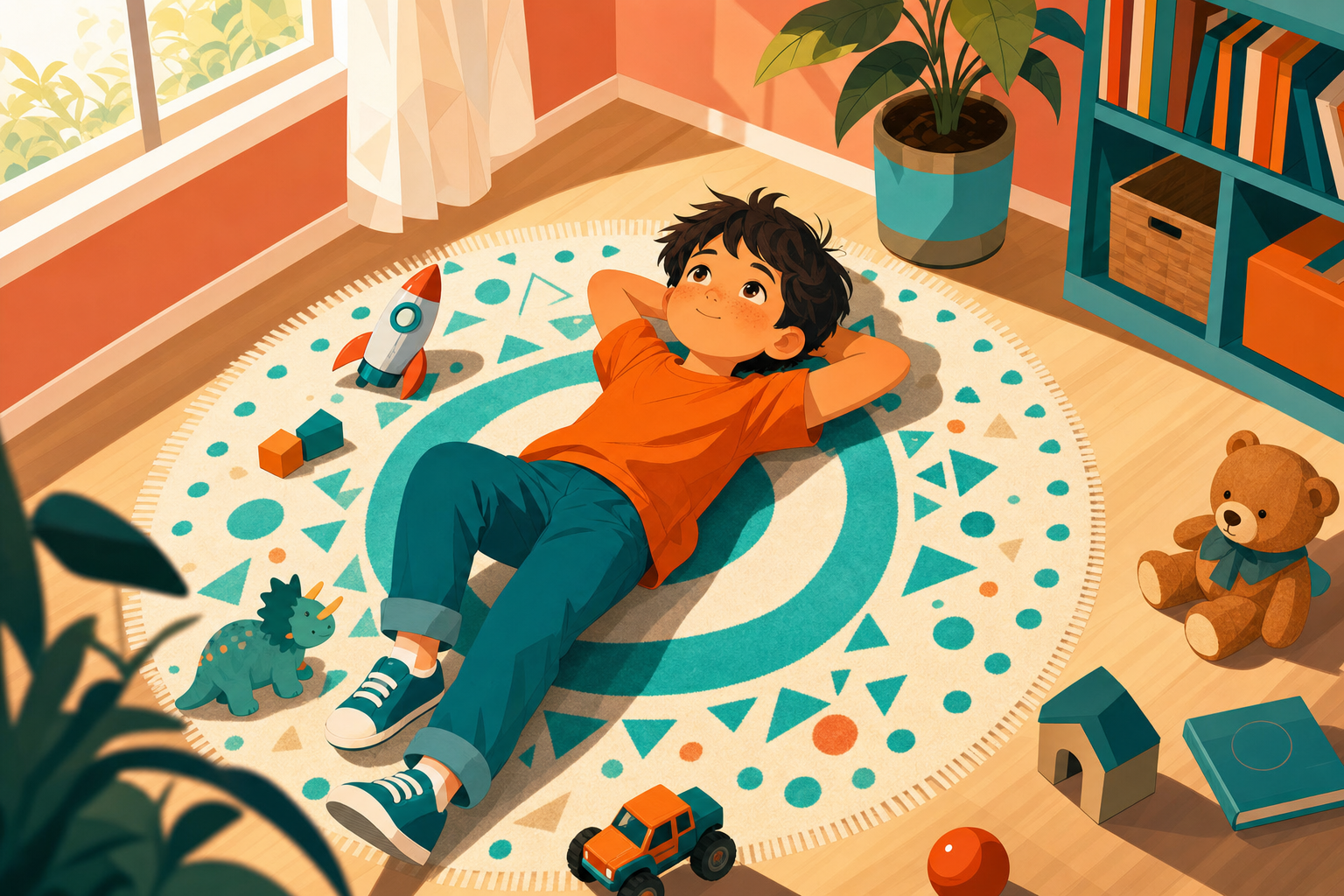
Why Boredom Is Actually Good for Kids (and How to Lean Into It)
Your six-year-old is pacing the living room, whining that there's nothing to do. You've got a whole bin of toys right there, plus books, plus LEGO. But still, the complaint: "I'm bored."
Your first instinct? Fix it. Hand them your phone. Turn on a show. Suggest fifteen different activities until one sticks.
But what if the boredom itself is the point?
It turns out letting kids be bored might be one of the most valuable things you do for them today. Boredom isn't a problem to solve. It's a skill to build.
The Surprising Benefits of Boredom in Children
Boredom gets a bad rap. We treat it like an emergency.
But research shows boredom good for kids in ways we totally underestimate. When children sit with that restless, uncomfortable feeling and aren't immediately rescued, they start to do something remarkable: they create.
Boredom forces problem-solving. It builds tolerance for discomfort. It gives kids the mental space to invent games, make up stories, or finally dig into that half-finished art project they abandoned two weeks ago.
When you constantly entertain your child, you train them to expect external stimulation. They lose practice generating their own ideas. The benefits of boredom children experience include stronger creativity, better focus, and more resilience when things don't go their way.
One study found that people performed better on creative tasks after doing a boring activity first. The brain needs downtime to wander, connect ideas, and come up with something new.
Your kid staring at the ceiling for ten minutes? That's not wasted time. That's their brain doing exactly what it's supposed to do.
What Happens When We Always Fix Boredom
If you jump in every time your child says "I'm bored," you're teaching them they can't handle it alone.
They learn to expect someone else to fix their problems. They miss out on the satisfaction of figuring something out themselves. And honestly, you end up exhausted from being their full-time entertainment director.
Kids who never experience boredom also struggle more with independent play. They don't know how to start an activity without prompts. They wait for instructions instead of experimenting.
This becomes a bigger issue as they get older. School requires focus. Homework requires self-direction. Life requires sitting through things that aren't instantly exciting.
If they've never practiced waiting, thinking, and creating on their own, those moments feel impossible.
How to Let Kids Be Bored Without Losing Your Mind
Okay, so boredom is good. But how do you actually lean into it when your kid is melting down and you've got dinner to make?
Here's the thing: letting kids be bored doesn't mean ignoring them completely. It means stepping back just enough that they have to do the work.
Set a boredom window. Tell your child, "You're going to have some free time to figure out what you want to do. I'll check in with you in twenty minutes." This gives them a clear boundary and removes the pressure for you to solve it right now.
Remove the easy outs. Put screens away during certain hours. If the tablet is sitting on the counter, that's the only thing they'll ask for. Out of sight really does help.
Resist the urge to suggest. When your kid says they're bored, try saying, "I bet you'll think of something." Then walk away. It feels weird at first. But it works.
Make the environment boring-friendly. Keep a few open-ended materials accessible: paper, tape, cardboard boxes, blocks, fabric scraps. You're not handing them an activity. You're making raw materials available if inspiration strikes.
Coloring is one reliable option that doesn't require your involvement. A free Chunky Crayon page buys you ten quiet minutes while your child works through their boredom in their own way.
If you're cooking dinner and need them occupied briefly, independent play ideas while cooking dinner can help bridge the gap while still giving them space to self-direct.
When Boredom Becomes a Power Struggle
Some kids use "I'm bored" as a way to pull you into a negotiation.
They're not actually bored. They want your attention. Or they want screen time. Or they're testing to see if whining gets results.
This is different from genuine boredom. And it requires a different response.
Stay calm. Acknowledge the feeling without fixing it. "I hear you. You're bored right now. You'll figure out what to do next."
Then do not engage further. If they keep pushing, repeat the same line. Consistency is everything here.
If your child genuinely struggles with transitions or needs more structure during unstructured time, something like a weekend routine chart can help them know what to expect without you having to direct every moment.
Why It's Hard to Let Them Be Bored (and Why You Should Anyway)
Letting kids sit in discomfort goes against every parenting instinct.
You love your kid. You want them happy. Watching them flop around complaining feels like you're failing somehow.
But here's the truth: happiness isn't the absence of boredom. It's the ability to navigate it.
When you let kids be bored, you're giving them a gift. You're teaching them they're capable. You're showing them their brain is enough. You're proving that discomfort is temporary and manageable.
And let's be honest: you also get a break. You don't have to be the cruise director every single day.
The first few times you step back, it'll feel uncomfortable for both of you. Your child might complain louder. You might second-guess yourself.
But after a week or two, something shifts. They start playing longer. They come up with weirder, cooler ideas. They stop asking you to fix every little moment.
That's when you realize boredom good for kids isn't just a theory. It's the thing that finally gave both of you some breathing room.
The Long Game on Boredom
Letting kids be bored isn't about ignoring them. It's about trusting them.
It's about giving them space to think, create, and learn that they can handle uncomfortable feelings.
The benefits of boredom children experience today pay off for years. They become better problem-solvers. They develop grit. They stop waiting for someone else to make life interesting.
So the next time your kid says "I'm bored," try this: smile, nod, and say, "I bet you'll come up with something."
Then walk away.
It's one of the best things you can do.